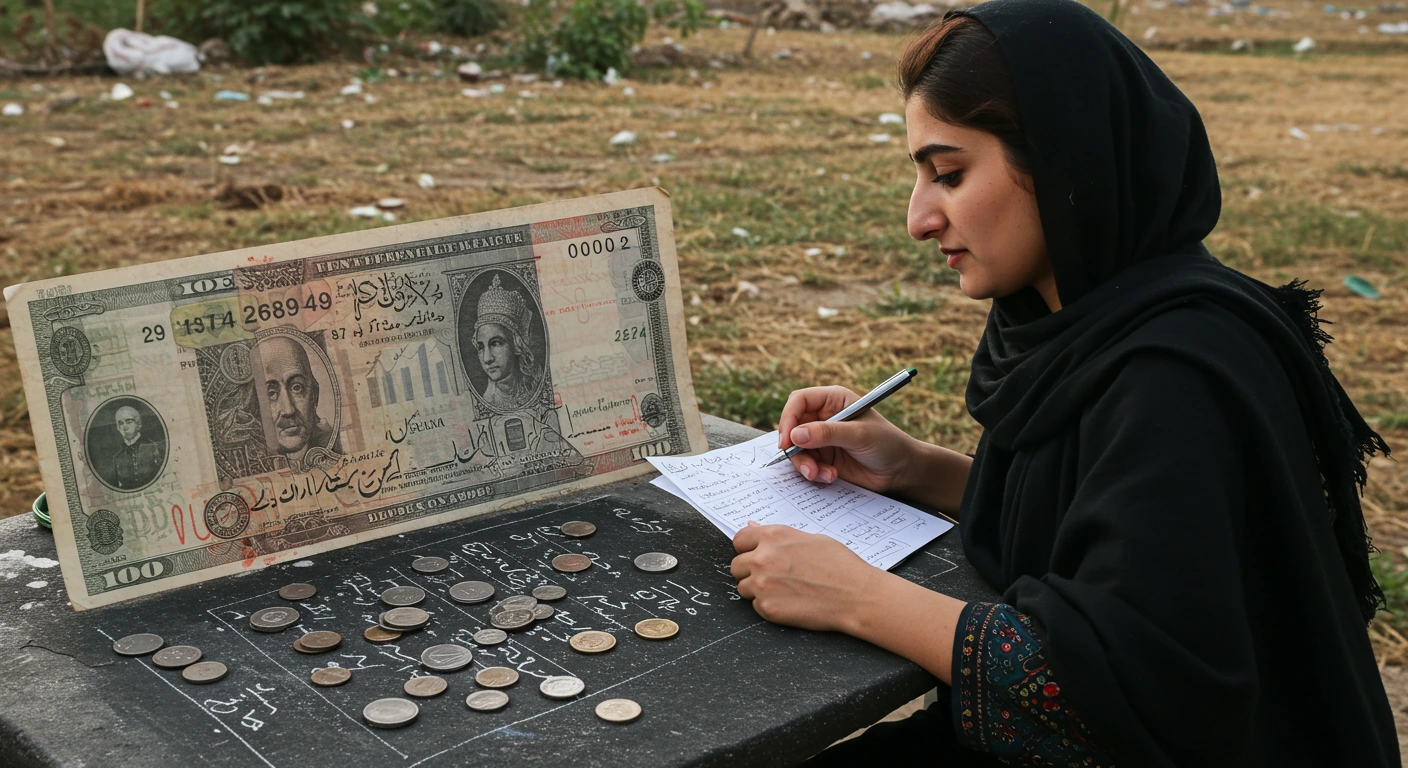
How Financial Literacy Empowers Beneficiaries of Pakistan’s Social Welfare Programs
In recent years, Pakistan has made significant strides in expanding its social safety nets to uplift low-income households. However, while financial assistance programs continue to reach millions of families, there’s one crucial element that can maximize their impact: financial literacy. Understanding how to manage money, track expenses, and plan for the future can be the difference between temporary relief and long-term empowerment.
This article explores how financial education can benefit recipients of national welfare schemes and how tools like CGPA calculators, budgeting apps, and academic support platforms can play a surprising yet vital role in that journey.
Why Financial Literacy Matters for Welfare Beneficiaries
Social welfare programs provide essential support—but many recipients remain unfamiliar with how to make the most of that aid. For example, when someone receives monthly stipends through government assistance, managing that amount effectively can help:
- Cover essential expenses without debt
- Set aside emergency savings
- Invest in children’s education
- Avoid financial scams or mismanagement
A financially literate beneficiary is better equipped to build a stable life, especially when assistance is intermittent or dependent on periodic surveys and eligibility reviews.
The Role of Academic Platforms in Promoting Financial Awareness
You might wonder—how does a website like cgpacalcs.com, focused on GPA and academic calculations, relate to government welfare programs?
The answer lies in education as a long-term solution to poverty.
Platforms that help students understand academic performance metrics (like GPA, CGPA, or percentage calculators) empower them to stay focused, graduate on time, and become future contributors to the economy. These tools also support:
- Low-income students who benefit from conditional education grants like the Benazir Income Support Programme
- Parents who need help tracking academic progress tied to scholarship eligibility
- Social workers and educators guiding youth from underserved backgrounds
Integrating Digital Tools with Social Welfare Efforts
Today, many social support services are going digital. Beneficiaries now use online platforms to:
- Check their payment status
- Update CNIC and family information
- Confirm eligibility via portals like 8171 check online CNIC 2025
However, without basic digital and financial literacy, many individuals miss out on these services or fall prey to misinformation. That’s why a combination of online education tools and digital access literacy is crucial for the next generation of welfare beneficiaries.
Practical Ways to Improve Financial Readiness
If you’re a beneficiary or support someone who is, here are some simple yet powerful actions you can take:
- Track Your Monthly Expenses: Use a simple notebook or mobile app to record your spending.
- Understand Your Benefits: Learn about payment dates, eligibility reviews, and documentation requirements.
- Educate Your Children: Encourage them to use academic tools like CGPA calculators to stay motivated and perform better in school.
- Stay Informed Online: Regularly visit official portals and verified websites to check payment status or register for surveys.
- Join Literacy Workshops: Many NGOs and local institutions offer free courses in budgeting, saving, and basic digital skills.
Conclusion: Financial Literacy Is the Missing Link
Social welfare programs like Pakistan’s 8171 initiative are essential lifelines for millions—but the long-term goal must be financial independence. By pairing assistance with awareness, tools with training, and education with empowerment, we can help more families break the cycle of poverty.
Whether you’re calculating your GPA on cgpacalcs.com or checking your stipend eligibility, remember knowledge is the real key to progress.